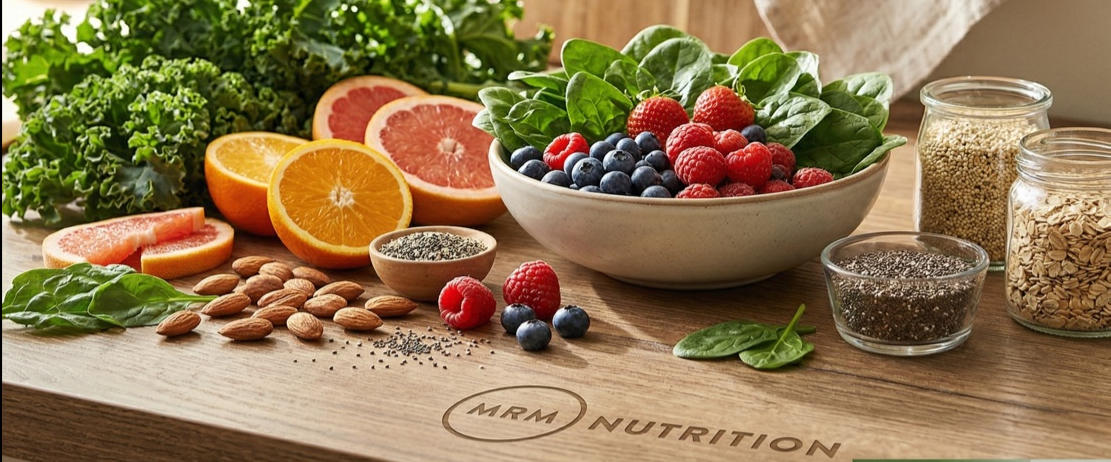
If you have dealt with bloating, low energy, or an upset stomach after meals, you already know how much your gut affects the rest of your day. Learning how to improve gut health starts with understanding that your digestive system does far more than break down food: it plays a central role in nutrient absorption, immune function, and overall wellbeing. The good news is that you do not need a complicated routine to see results. This guide walks through practical, science-informed ways to improve gut health naturally, from the foods you eat to the daily habits that support a balanced gut microbiome.
What Is Gut Health and Why It Matters
Your gut is home to trillions of bacteria, fungi, and other microorganisms collectively known as the gut microbiome. This community helps break down food, produce certain vitamins, and communicate with your immune system. When the microbiome is diverse and balanced, digestion tends to run smoothly and nutrients are absorbed more efficiently. When it is out of balance, a condition often called dysbiosis, you may notice digestive discomfort, energy dips, or other signals that something is off.
Because gut health touches so many systems in the body, small, consistent habits tend to make a bigger difference than short-term fixes.
Signs Your Gut Health Needs Attention
Everyone's digestive system is different, but a few common signals are worth paying attention to:
- Bloating, gas, or discomfort after meals
- Irregular bowel movements, whether infrequent or urgent
- Ongoing fatigue or low energy that food does not seem to fix
- New or worsening food sensitivities
- Getting sick more often than usual
These signs do not point to any single cause, and persistent or severe symptoms should always be discussed with a healthcare provider. For most people, though, they are a good prompt to look at daily habits first.
How to Improve Gut Health Naturally: 8 Science-Backed Strategies

If you are wondering exactly how to improve gut health naturally, these are the habits with the strongest everyday impact.
1. Eat More Fiber-Rich Whole Foods
Fiber feeds the beneficial bacteria in your gut and adds bulk that keeps digestion moving. Aim to build meals around vegetables, fruit, legumes, and whole grains, which provide both soluble and insoluble fiber. If you consistently fall short of your daily fiber goal, a whole-food fiber blend such as MRM Nutrition's Whole Food Organic Fiber can help close the gap alongside a fiber-forward diet.*
Shop MRM Whole Food Organic Fiber on Amazon
2. Add Fermented and Probiotic-Rich Foods
Fermented foods like yogurt, kefir, sauerkraut, kimchi, and miso naturally contain live cultures that can support a more diverse microbiome.* If fermented foods are not a regular part of your routine, a targeted probiotic such as MRM's Women's Probiotic is one option to help fill that gap.*
Shop MRM Women's Probiotic on Amazon
3. Prioritize Prebiotic Foods
Prebiotics are a type of fiber that specifically feed beneficial bacteria. Garlic, onions, leeks, asparagus, oats, and green bananas are all good sources. Green banana flour, in particular, is rich in resistant starch, a prebiotic fiber that supports a healthy gut environment.* MRM's Green Banana Powder is a convenient way to add resistant starch to smoothies or baking.*
Shop MRM Green Banana Powder on Amazon
4. Stay Hydrated
Water supports the mucosal lining of the intestines and helps fiber do its job. Without enough fluid, added fiber can actually make constipation worse rather than better, so hydration and fiber intake should increase together.
5. Manage Stress
The gut and brain communicate constantly through what researchers call the gut-brain axis. Chronic stress can shift the balance of gut bacteria and affect digestion. Simple daily practices, such as short walks, deep breathing, or setting aside device-free time, can support both mental wellbeing and gut function.
6. Prioritize Quality Sleep
Gut bacteria follow a daily rhythm influenced by your sleep-wake cycle. Irregular sleep patterns have been associated with less diverse gut bacteria, so consistent sleep and wake times are a meaningful, low-effort lever.
7. Move Your Body Daily
Regular physical activity supports healthy digestion and has been linked to greater microbial diversity. It does not need to be intense; a daily walk, cycling, or light strength training all count.
8. Limit Ultra-Processed Foods and Added Sugar
Diets high in ultra-processed foods and added sugar tend to feed less beneficial strains of bacteria and crowd out fiber-rich whole foods. Swapping even a few processed snacks each week for whole-food alternatives can shift the balance over time.
Supporting Digestion When You're Out Living Your Life

Eating well most of the time does not mean saying no to the dinner out, the celebratory meal, or the drink with friends. It just means having the right support on hand for when you do.
Rich meals, heavier portions, and alcohol all place extra demand on digestion. Alcohol in particular can interfere with the body's natural digestive processes, which is part of why a night out can sometimes leave you feeling bloated or sluggish the next day, even when the food itself was not the issue. This is where a digestive enzyme blend can be useful, not as a replacement for good everyday habits, but as backup for the moments life calls for a little indulgence.
MRM's Digest-All is formulated to support the breakdown of proteins, fats, and carbohydrates, making it a practical companion for dinners out, richer meals, or occasions that include alcohol.* Rather than changing how you eat and drink, it is designed to help your body process it a little more comfortably.*
How to Improve Digestion Day to Day
Beyond the bigger habits above, a few daily practices can make a real difference in how to improve digestion on any given day:
- Eat slowly and chew thoroughly, which reduces the workload on your stomach
- Choose smaller, more frequent meals if large meals leave you uncomfortable
- Avoid lying down immediately after eating
- Take a short walk after meals to support motility
Some people also find a digestive enzyme blend helpful around meals, particularly when eating rich or unfamiliar foods. MRM's Digest-All is formulated to support the breakdown of proteins, fats, and carbohydrates.*
Understanding Your Gut Microbiome
Learning how to improve gut microbiome diversity starts with recognizing what shapes it in the first place: diet, sleep, stress, physical activity, and even antibiotic use all play a role. A more diverse microbiome is generally associated with more resilient digestion, though everyone's baseline is different. The habits outlined above, especially fiber intake, fermented foods, and consistent sleep, are the most well-supported ways to support that diversity over time.
When to Consider a Gut-Health Supplement
Food should always be the foundation. But for people who struggle to consistently hit their fiber target, do not eat fermented foods regularly, or want additional digestive support, supplements can be a reasonable addition to a whole-food approach. MRM Nutrition's gut health and digestive support line includes fiber, probiotic, and enzyme options formulated to work alongside, not replace, a fiber-rich diet.
As with any supplement, talk to your healthcare provider before starting something new, particularly if you are pregnant, nursing, or managing a health condition.
The Bottom Line
There is no single fix for how to improve gut health. Real, lasting change comes from a combination of fiber-rich whole foods, fermented and prebiotic foods, hydration, movement, sleep, and stress management. Supplements like a whole-food fiber blend can support that foundation, but they work best alongside the daily habits covered in this guide. For a closer look at exactly which foods to prioritize, see our companion guide: Best Foods to Improve Gut Health (and When to Add a Supplement).
Frequently Asked Questions
How long does it take to improve gut health?
Most people notice initial digestive changes within two to four weeks of consistently increasing fiber, adding fermented foods, and improving sleep and hydration. Meaningful shifts in microbial diversity typically take longer, often several months of sustained habits, since gut bacteria respond gradually to diet and lifestyle changes.
What foods improve gut health the fastest?
Fermented foods like kefir and yogurt tend to have the most noticeable short-term effect because they introduce live cultures directly. Pairing them with fiber-rich vegetables and legumes gives those cultures something to feed on, which supports faster, more lasting results than either approach alone.
Can you improve gut health without taking supplements?
Yes, diet and lifestyle changes are the foundation of gut health and can produce meaningful results on their own. Prioritizing fiber, fermented foods, hydration, sleep, and stress management addresses the core drivers of gut health without any supplement being required.
What are the best natural ways to improve digestion?
Eating slowly, chewing thoroughly, staying hydrated, and walking after meals are among the most effective natural ways to support digestion. Building meals around fiber-rich whole foods and limiting ultra-processed foods further supports smooth, comfortable digestion over time.
How do you know if your gut health is improving?
More regular, comfortable bowel movements, less bloating after meals, and steadier energy levels are common signs that gut health is improving. Because everyone's baseline digestion is different, tracking your own symptoms over several weeks is more useful than comparing to a general standard.
*These statements have not been evaluated by the Food and Drug Administration. This product is not intended to diagnose, treat, cure, or prevent any disease.